
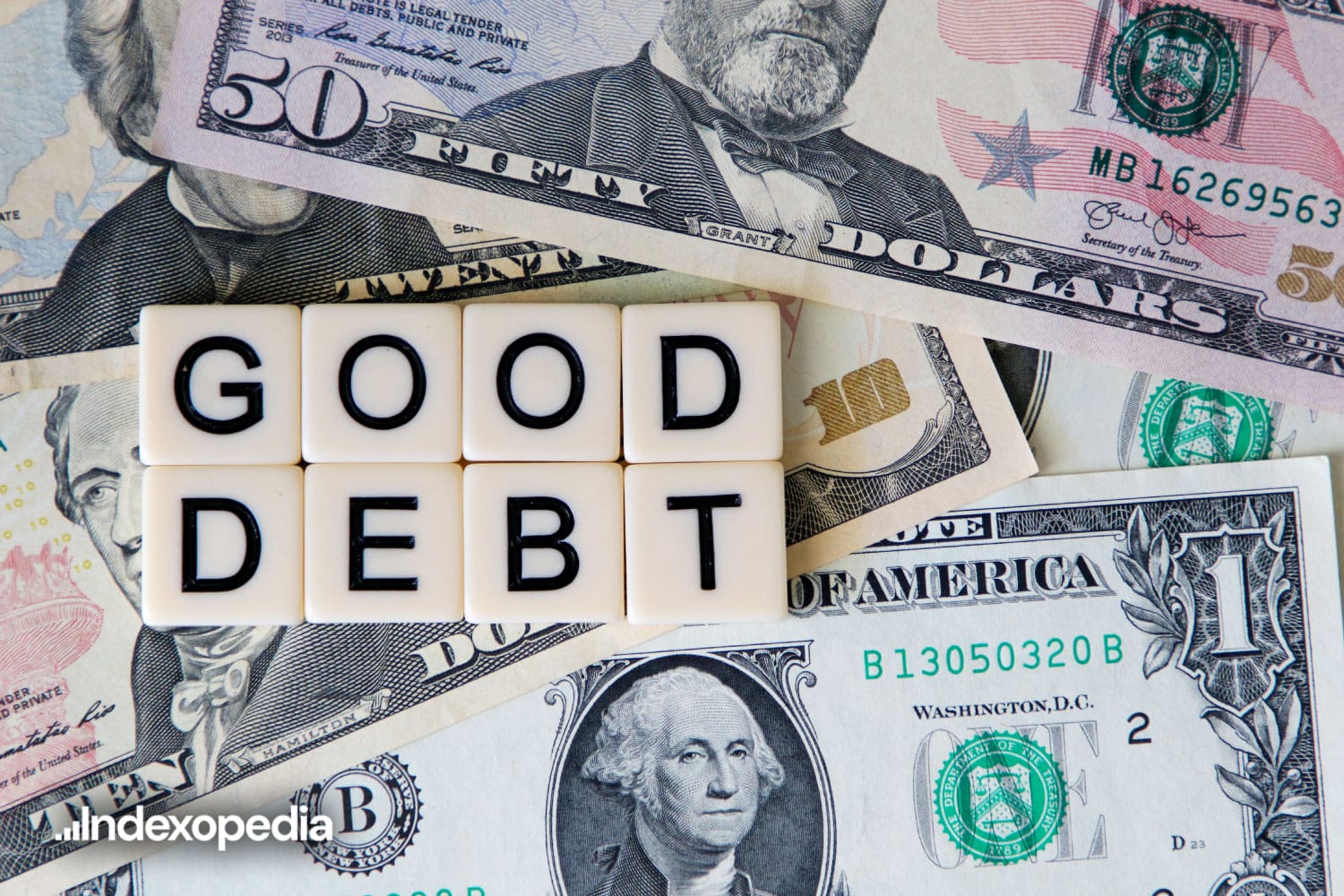


In the world of personal finance, you’ve likely come across the terms “bad debt” and “good debt.” But what do people actually mean when they use these phrases? Let’s break it down and understand the fundamental differences between the two.
Bad debt, as the name suggests, refers to borrowing money for purchases or expenses that do not contribute to your financial well-being or long-term wealth. It typically carries high-interest rates and can become a financial burden. Here are some common examples of bad debt:
1. Credit Card Debt
One of the most notorious forms of bad debt is credit card debt. When you carry a balance on your credit card and only make the minimum payments, you’re subjecting yourself to high-interest charges, potentially trapping you in a cycle of debt.
2. Consumer Loans
Borrowing money for non-essential purchases like luxury items, vacations, or extravagant gadgets is often considered bad debt. These loans do not generate value or appreciable assets.
3. Payday Loans
These high-interest, short-term loans are often used by individuals facing immediate financial crises. While they can provide quick relief, they come with exorbitant interest rates, making them a classic example of bad debt.
4. Car Loans
While not all car loans are inherently bad, opting for a long-term loan with high interest to finance a depreciating asset (a car) can be considered bad debt.
5. Personal Loans for Non-Essentials
Taking out a personal loan for non-essential expenses like home decor or fashion can lead to bad debt if it’s not managed wisely.
In summary, bad debt represents financial decisions that erode your wealth over time, primarily due to high-interest rates and the absence of investments or assets that can appreciate in value.
On the other hand, good debt is debt that is incurred for purposes that have the potential to enhance your financial situation or generate future income. It is typically associated with lower interest rates and is considered an investment in your financial future. Here are some examples of good debt:
1. Mortgages
Buying a home is often the most significant investment many people make. A mortgage is considered good debt because it allows you to build home equity, which can appreciate over time. However, mortgages are only good debt if the interest rates are low and the paymnets are manageable.
2. Student Loans
Education can be an investment in your future earning potential. Student loans, if used wisely to fund higher education, can be considered good debt, as they can lead to better job opportunities and increased income.
3. Business Loans
Borrowing to start or expand a business can be seen as good debt, as it has the potential to generate income and create wealth over time. However, large amounts of high-interest debt for speculative ventures would not be good debt.
4. Real Estate Investments
Taking out a loan to purchase income-generating rental properties can be a form of good debt, as it can provide a steady stream of rental income and property appreciation. Once again, this is only true if interest rates are low and payments are manageable.
5. Low-Interest Loans for Investment
Borrowing money at low-interest rates to invest in opportunities with a higher expected return, such as stocks or bonds, can be considered good debt if managed prudently.
In essence, good debt is a strategic financial tool that can help you grow your wealth or invest in opportunities that yield a positive return on investment.
Opportunity Cost
One way to distinguish between good and bad debt is considering opportunity costs. For example, if mortgage rates are 3%, but on average you could earn 7% by investing, then you’d be better off taking the mortgage and using the extra cash to invest. Conversely, you are unlikely to get a 20% average return in the stock market, so taking on credit card debt at 20% interest wouldn’t make sense. Of course, nothing can be good debt unless you can afford to pay it back.
When people refer to “bad debt” and “good debt,” they are essentially evaluating the financial decisions we make in terms of their impact on our overall financial health. While it’s essential to manage and eliminate bad debt, good debt can be a valuable tool for building wealth and achieving financial goals when used judiciously and responsibly. The key to financial success lies in understanding the distinction between the two and making informed choices based on your financial goals and circumstances.
Related Articles

Six Key Steps to Raising Financially Confident Children
Behavior,
Estate & Legacy Planning,
Investment Principles,
Personal Finance,
March 6, 2025
Tax Efficiency: Incorporating Qualified Opportunity Zones and 1031 Exchanges into an Affluent Investor’s Portfolio
Personal Finance,
March 18, 2025
Why Investors Shouldn’t Panic When Bond Prices Fall
Personal Finance,
March 25, 2025