

A Year of Crisis and Systemic Breakdown
For investors, 2008 was one of the most challenging years in modern financial history. What began as a weakening housing market evolved into a full-scale global financial crisis, shaking confidence in banks, markets, and economic institutions. Volatility surged, correlations rose, and traditional assumptions about risk and diversification were severely tested.
The events of 2008 reshaped the investment landscape and permanently altered how investors, policymakers, and institutions approach risk management.
The Housing Bust Triggers Financial Stress
At the center of the crisis was the collapse of the U.S. housing market. Years of rising home prices, easy credit, and complex mortgage products gave way to falling values and rising defaults. As homeowners struggled to meet payments, losses spread through mortgage-backed securities held by banks and investors around the world.
Because these securities were widely distributed and often highly leveraged, uncertainty about their true value created a crisis of confidence. Financial institutions became reluctant to lend to one another, and liquidity in credit markets deteriorated rapidly. What had initially appeared to be a contained housing downturn quickly became a systemic problem.
Major Financial Institutions Fail
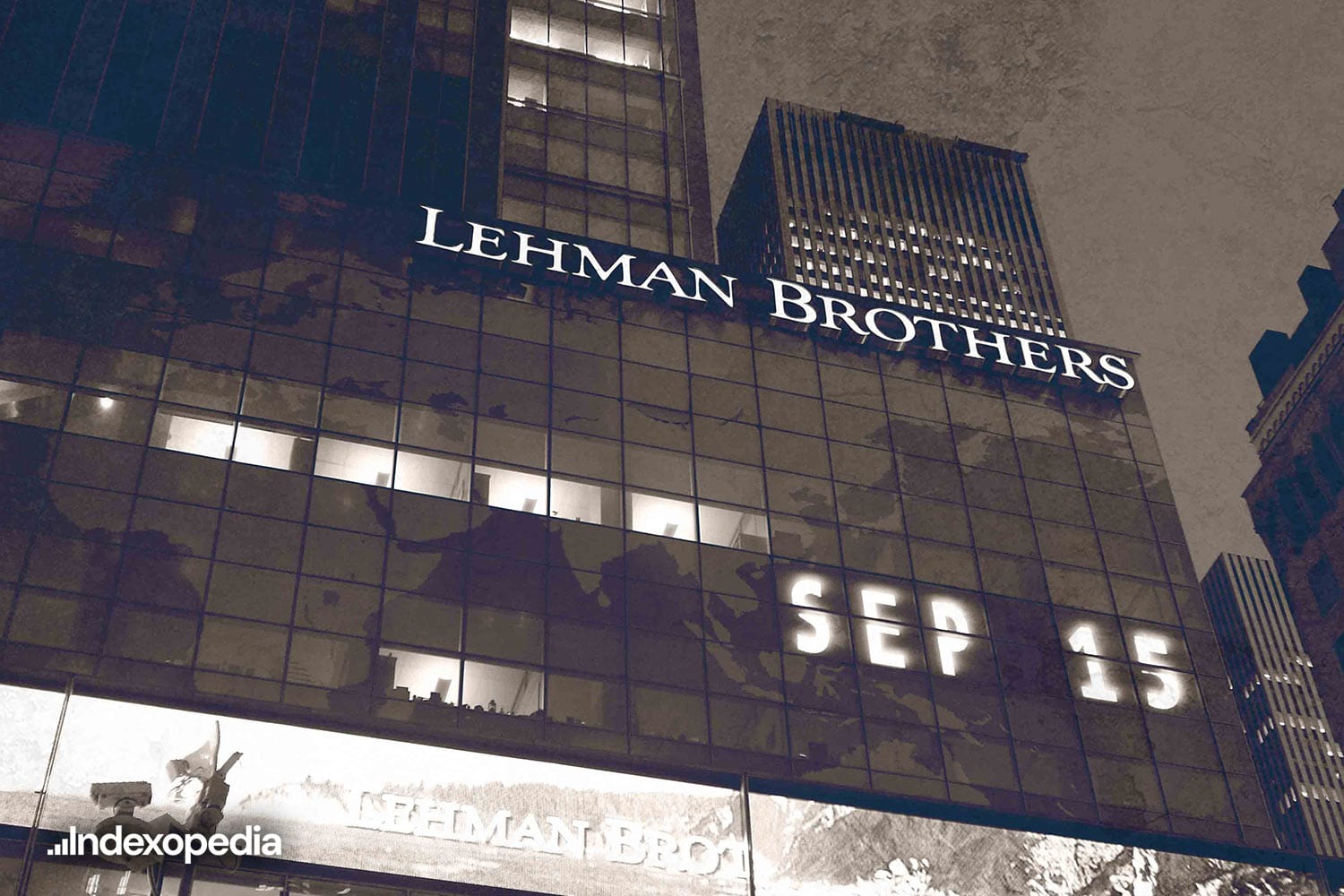
Financial stress intensified dramatically in September 2008. The failure of Lehman Brothers sent shockwaves through global markets, triggering panic and widespread selling. Shortly thereafter, other major institutions required emergency support, including Bear Stearns, AIG, Fannie Mae, and Freddie Mac.
These events shattered confidence in the global financial system. Investors questioned which institutions were solvent, how large the losses might become, and whether policymakers could contain the damage. Equity markets fell sharply, and volatility reached historic levels as investors rushed to reduce risk.
The sudden freezing of credit markets affected businesses and consumers alike. Access to financing tightened, economic activity slowed, and recession fears deepened.
Extraordinary Policy Actions Attempt to Restore Stability
In response, policymakers took unprecedented steps to stabilize the system. Central banks around the world cut interest rates aggressively and provided liquidity to financial institutions. In the United States, the Federal Reserve expanded its lending facilities and worked to prevent a collapse of the banking system.
Fiscal authorities also intervened. The U.S. government introduced the Troubled Asset Relief Program, or TARP, aimed at recapitalizing banks and restoring confidence. While these measures were controversial, they played a critical role in preventing a more severe financial breakdown.
For investors, these actions highlighted the interconnectedness of markets and the importance of policy support during periods of systemic stress.
Equity Markets Experience Historic Losses
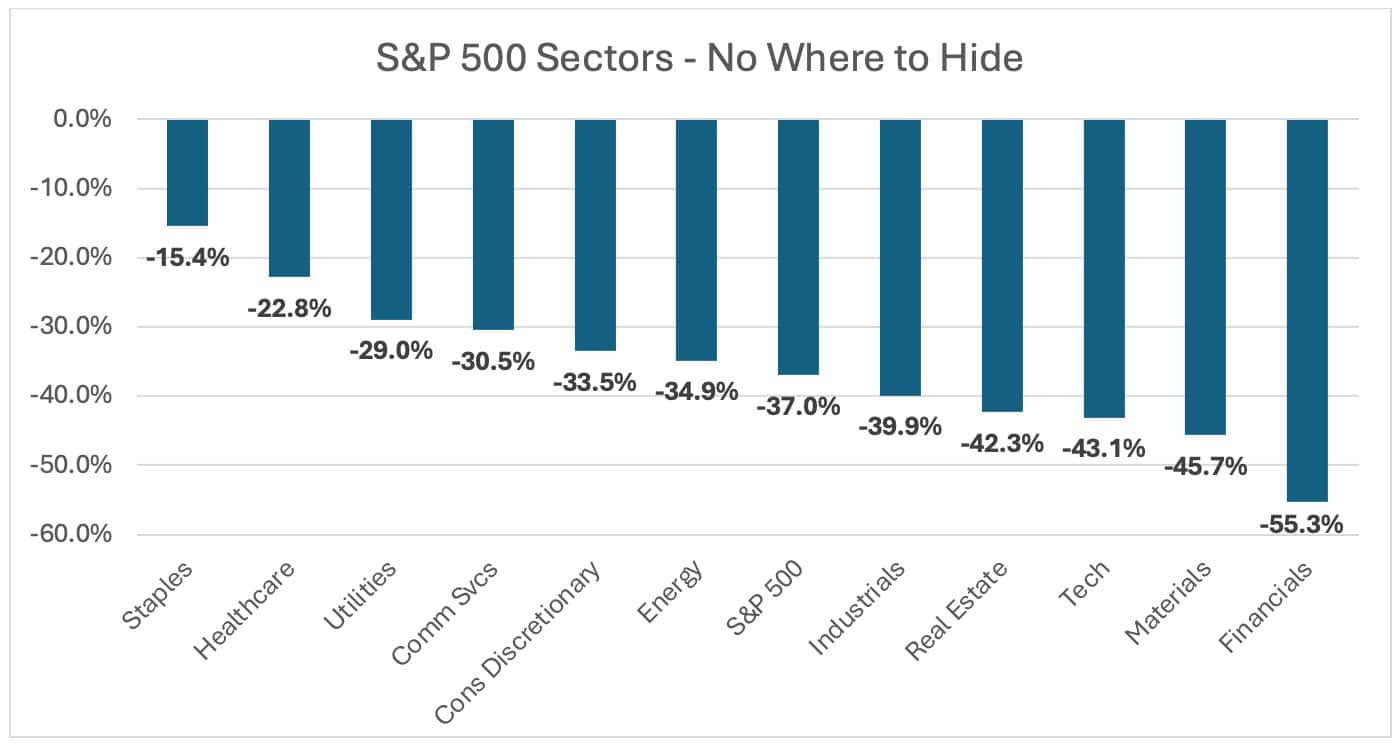
Equity markets reflected the severity of the crisis. The S&P 500 declined approximately 37% in 2008, its worst annual performance since the Great Depression. Losses were widespread across sectors and regions, as risk aversion dominated investor behavior.
Financial stocks were among the hardest hit, but declines extended well beyond the banking sector. Industrials, consumer discretionary stocks, and energy companies all suffered as economic activity slowed sharply. Even traditionally defensive sectors struggled as investors focused on preserving capital.
International markets fared no better. Global equities experienced similar declines, reinforcing how interconnected financial systems had become.
Bonds Provide Stability Amid Turmoil
While equities suffered, high-quality bonds played a critical stabilizing role. U.S. Treasury securities rallied sharply as investors sought safety, driving yields lower. Government bonds provided essential diversification benefits and helped cushion portfolio losses during periods of extreme volatility.
However, credit markets remained under pressure. Corporate bond spreads widened significantly, reflecting concerns about defaults and weakening balance sheets. Liquidity was limited, and pricing was often volatile, even in higher-quality segments of the market.
Economic Conditions Deteriorate Rapidly
The financial crisis quickly spilled into the broader economy. Businesses cut investment and employment, consumer spending declined, and global trade slowed sharply. The United States and many other economies entered deep recession, with unemployment rising and confidence collapsing.
These conditions reinforced negative market sentiment and prolonged the downturn. For many investors, the speed and severity of the economic contraction were unprecedented in their experience.
Lessons from a Historic Downturn
By the end of 2008, markets were still under severe stress, and the path forward remained uncertain. However, the year underscored critical lessons for long-term investors: the importance of diversification, the role of high-quality assets during crises, and the need for discipline during periods of extreme volatility.
While painful, the events of 2008 ultimately set the stage for the recovery that began the following year, reminding investors that even the most severe market dislocations can give way to opportunity over time.