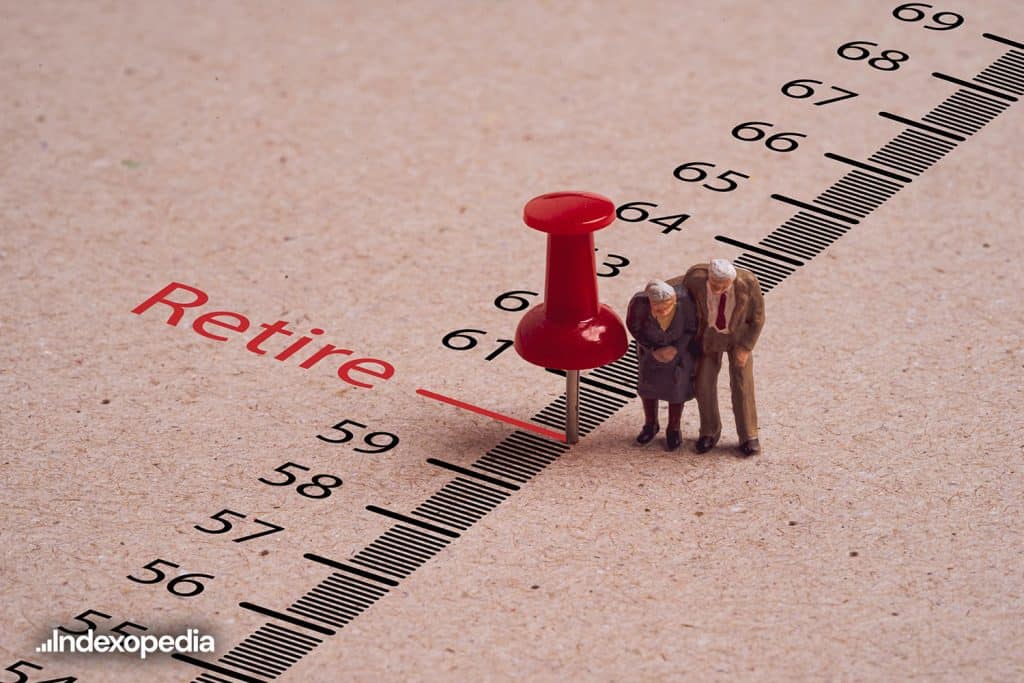


An individual retirement account or IRA is a retirement savings vehicle with tax advantages. IRAs are either tax-free or tax advantaged, but either way they help individuals plan and save in a way that suits their financial goals. There are two main types of IRAs–a traditional and a Roth.
How Do IRAs Work?
The most important thing to know is that you either pay taxes before funding your account or when withdrawing. In other words, an IRA can be after tax, meaning you pay taxes before funding the account, or tax deferred, when you pay taxes once you withdraw contributions.
To encourage investors to keep money in their IRAs until retirement, there are penalties for withdrawing contributions early. As of 2023, withdrawals before 59 ½ could lead to hefty penalties by the IRS. There are exceptions to early withdrawals like using the money to pay for medical insurance premiums or after a job loss.
IRAs also offer catch-up contributions–money they can add to an IRA that exceeds the contribution limit–for individuals closer to the retirement age.
How do you open an IRA?
Start by looking for a trusted brokerage that offers IRAs and then deposit funds into the account. It’s important to note that simply funding an account doesn’t mean your money is invested. You must select where you want your investments to go, be it in stocks, bonds, or both. There is also an annual contribution limit on IRA accounts set by the IRS and it changes periodically.
Types of IRAs
There are multiple types of IRAs and they all have nuances. The common denominator between all of them is they help investors save for retirement and offer tax advantages.
Traditional IRA
With a traditional IRA, you put pre-tax dollars in the account and your money grows tax-deferred. Pre-tax contributions are dollars you haven’t paid taxes on. That said, you do have to pay taxes once you withdraw money during retirement. Anyone with earned income is eligible for a traditional IRA and there is no age limit.
The argument for choosing a traditional IRA is the assumption that you’ll be in a lower tax bracket come retirement. That way, your money can grow tax-free during your higher tax paying years and you can pay taxes once your tax bill is on the lower end.
Another key benefit of traditional IRAs is that contributions can be deductible from your taxes depending on your income. If you earn under a certain threshold, you can claim the full deduction, but the deduction phases out the more you earn.
Traditional IRA accounts are also subject to required minimum distributions , meaning you have to withdraw a certain amount from your IRA every year once you turn a certain age.
Roth IRA
The most important thing to know about a Roth IRA is contributions are made after tax, meaning you pay taxes on your money before making contributions. The incentive for paying taxes first is that you don’t have to worry about taxes during retirement. This could work well if you anticipate being in a higher tax bracket during your golden years.
Unlike traditional IRAs, you can’t deduct your contributions from your tax return. That said, another key benefit of Roth IRAs is they aren’t subject to required minimum distributions.
Not everyone can open a Roth IRA-there are income limits . However, if your income is too high, it is possible to access a Roth IRA by doing a backdoor Roth contribution. Backdoor Roth contributions can be tricky, and shouldn’t be attempted without the help of a tax or financial professional.
SEP IRA
This type of IRA is for self-employed people or business owners with few or no employees. While they may have access to traditional and Roth IRAs, a SEP IRA makes it possible to contribute more than the average limit.
Also, note SEP IRAs are like traditional IRAs in that owners enjoy tax-deferred growth and contributions are deductible.
Other things to know about SEPs:
- Contributions are employer only and employers must contribute the same percentage for themselves and employees
- There are penalties for early withdrawals
- RMDs are required
SIMPLE IRA
A SIMPLE IRA is also for self-employed people or entrepreneurs. With SIMPLE IRAs, contributions are tax deductible and they grow tax deferred. You must have less than 100 employees to have a SIMPLE IRA and employers must contribute to the account. They can do so through employer matches or non-elective contributions of up to 2 percent of the employees’ salary up to the annual compensation limit.
With a SIMPLE IRA, you can still contribute more than what’s possible with a Roth or traditional IRA. However, you can’t contribute as much as you could with a SEP IRA.
Other things to know about SIMPLE IRAs:
- Can choose from both a Roth and traditional SIMPLE IRA
- Can have contributions deducted from paycheck
- Subject to RMDs
- There are early withdrawal penalties
- Catch up contributions allowed
IRAs can be a powerful retirement tool when used consistently over time. If you’d like to open an account today, reach out to one of our advisers.