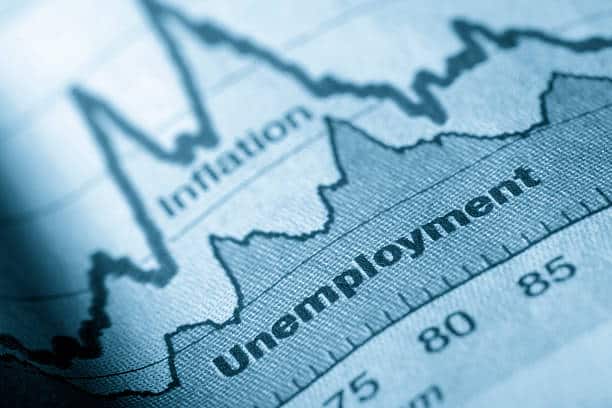


For most investors, inflation is a familiar concern. Recessions are, too. But what happens when the economy suffers from both at the same time? That’s stagflation – a rare but deeply challenging economic environment where inflation runs high, economic growth stagnates, and unemployment increases. It’s an unusual combination that can rattle even the most seasoned investors. But what does stagflation mean for your portfolio, and how should you prepare for it?
What Is Stagflation?
The term “stagflation” was coined in the 1970s when the U.S. experienced one of the most prolonged and severe stagflationary periods in history. Traditionally, economists believed that inflation and economic stagnation couldn’t occur simultaneously. Inflation usually comes with a booming economy, while recessions bring lower inflation due to reduced demand. But stagflation defies that logic–it’s an environment where rising costs squeeze businesses and consumers while economic growth stalls or declines.
Historically, stagflation arises due to supply-side shocks, such as an oil embargo or labor shortages, combined with poor monetary policy, such as excessive money supply growth. Today, concerns about stagflation are due to fears of persistent inflation, supply chain disruptions, and slowing global growth.
How Stagflation Affects Your Investments
A stagflationary environment poses unique challenges for investors because traditional asset allocation strategies may not work as expected. Here’s how key asset classes tend to perform:
Stocks: The Squeeze on Corporate Profits
Stagflation is typically a bad environment for stocks. Why? Because companies face a double whammy – higher costs from inflation and weaker consumer demand from slow economic growth. Many businesses struggle to pass on rising costs to consumers, which leads to shrinking profit margins. Historically, broad market indices such as the S&P 500 have underperformed during stagflationary periods, with many sectors experiencing prolonged downturns.
However, not all stocks are impacted equally. Companies with pricing power – those that can raise prices without losing customers – tend to fare better. Defensive sectors such as healthcare, consumer staples, and utilities often hold up well because people still need medication, food, and electricity regardless of economic conditions. These stocks are typically larger components of Value portfolios.
Bonds: The Interest Rate Conundrum
Bonds can face challenges in a stagflationary environment. Rising inflation erodes the real value of fixed-income payments, making bonds less attractive. Meanwhile, central banks may raise interest rates in an attempt to combat inflation, which further pressures bond prices. Long-duration bonds are particularly vulnerable, as their fixed interest payments lose purchasing power over time.
That said, inflation-protected securities, such as Treasury Inflation-Protected Securities (TIPS), can offer some defense. Additionally, short-duration bonds and floating-rate bonds may perform better since they are less sensitive to rising interest rates.
Commodities (ie: Precious Metals): The Stagflation Sweet Spot
One of the few asset classes that historically thrives during stagflation is commodities. Because inflation is a hallmark of stagflation, real assets like gold, oil, and agricultural products tend to rise in price. The 1970s saw a dramatic surge in commodity prices, making them one of the best-performing asset classes during that period.
Gold, in particular, has long been viewed as a hedge against inflation and economic uncertainty. Other commodities, such as energy and industrial metals, can also perform well, especially if supply shortages contribute to rising prices.
Real Estate: A Mixed Bag
Real estate can offer some protection against stagflation, but not all segments perform equally. Rental properties, especially those with inflation-linked lease agreements, can benefit from rising rents. However, rising interest rates can make financing more expensive, potentially slowing growth in real estate values.
Commercial real estate that relies heavily on economic growth, such as office space and retail properties, may struggle as businesses cut costs and consumers tighten their wallets. Meanwhile, residential real estate in strong demand areas may continue to appreciate, particularly if housing supply remains constrained.
Strategies to Protect and Position Your Portfolio
Here are some key strategies:
1. Diversify Across Asset Classes
During stagflation, relying solely on stocks or bonds can be risky. A well-diversified portfolio that includes commodities, inflation-protected securities, and select alternative investments can provide stability and reduce downside risks.
2. Focus on Quality
Investing in high-quality companies with strong balance sheets and pricing power can help shield your portfolio. Companies that can pass rising costs onto consumers without losing demand – healthy, established companies – tend to perform better in stagflationary environments.
3. Consider Gold and other Precious Metals
Precious metals, such as gold, silver, and palladium offer better protection against rising inflation compared to traditional asset classes. Allocating a portion of your portfolio to these assets can help enhance results.
4. Maintain Liquidity and Flexibility
Stagflation often brings heightened market volatility. Having sufficient liquidity–such as cash reserves or short-term investments – allows you to take advantage of opportunities that arise during downturns without being forced to sell assets at unfavorable prices.
Final Thoughts: Staying the Course
Stagflation is a challenging economic environment, but it’s not insurmountable. While traditional stock and bond investments may struggle, there are still ways to preserve and even grow wealth during these periods. A strategic mix of inflation-resistant assets, quality investments, and spreading risk can help safeguard your portfolio.
Most importantly, avoid making rash decisions based on short-term fear. Market cycles come and go, and history has shown that those who maintain a disciplined investment approach emerge stronger in the long run. The key to navigating stagflation? Stay informed, stay flexible, and most importantly–stay invested.