
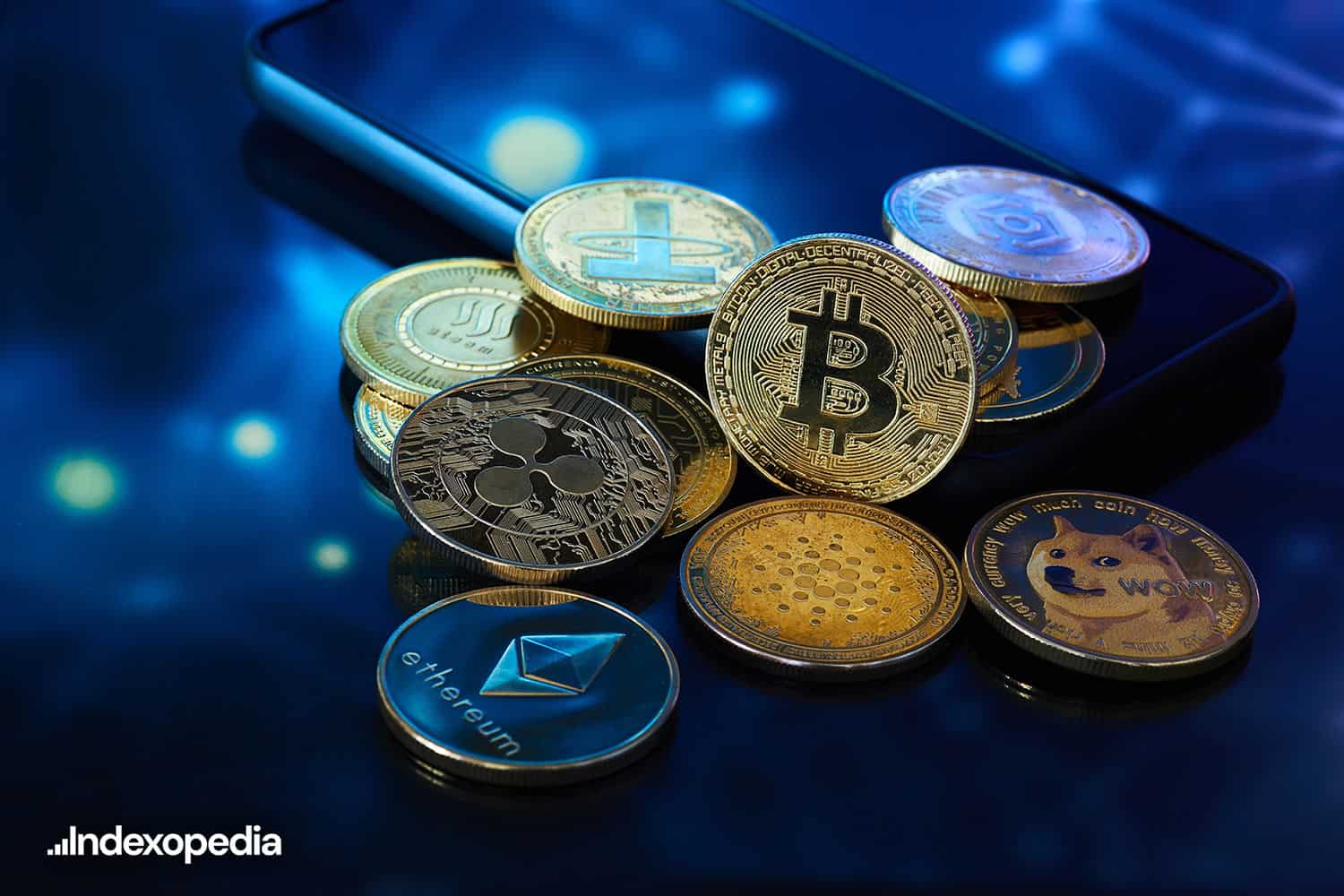


Crypto headlines can create an irresistible fear of missing out. Bitcoin eclipsing $120,000. Ethereum powering the rise of decentralized finance. Meme coins and NFTs turning minor sums into sudden, life-changing wealth.
The back page tends to tell a darker, overlooked story.
Coins collapsing by 70% or more. Major exchanges like FTX and Celsius vanishing with customer assets. Scams like OneCoin and the Squid Game Token torched investments in a matter of hours. Projects that once promised revolutionary change now trading for pennies on the dollar.
The reality is that extreme volatility and risk are the norm, not the exception, in crypto. For every front-page success story, there are dozens of cautionary tales. Before diving in, investors should understand the other side of the story — the “backpage” headlines that rarely get the spotlight, but offer the most important lessons.
Pulling Back the Curtain: Understanding the Risk of Crypto
While most headlines revolve around Bitcoin and Ethereum, there are thousands of cryptocurrencies listed worldwide, ranging from established networks with legitimate utility and broad adoption to obscure tokens with little transparency or utility.
The vast majority of these projects lack sustainable business models, real-world use cases, or consistent liquidity. Many exist only to feed into investor mania and speculation. In short, it’s imperative for investors to be wary of the risks that accompany this burgeoning (but still novel) asset class.
Broadly speaking, those risks fall into four categories:
- Market volatility: Wild swings in price that can create or wipe out gains in short timeframes.
- Operational failures: Exchange collapses, custody issues, or platform failures.
- Regulatory shifts: Changing policies that affect trading, taxation, or token legality.
- Scams and fraud: Pump-and-dumps, rug pulls, fake initial offerings, ponzi schemes — crypto scams can take many forms.
For every viral success, there are countless projects that fail quietly in the background, leaving investors with little more than worthless tokens and a painful life lesson.
Market Risks: Volatility
Volatility cuts both ways. It can lead to outsized growth, but it can also cut investments into fractions. Even the largest, most well-known cryptos are not immune to dramatic swings.
- While Bitcoin recently hit a new all-time high (almost $125,000), it has seen multiple drawdowns of 50% or more in past cycles, including 2022, when it dipped below $16,000 after eclipsing $60,000 only a year prior.
- Ethereum, the world’s second largest crypto, hit $4,891 in November 2021 before slipping all the way below $900 over the ensuing six months.
- Once lauded as an “Ethereum killer,” Solana peaked near $240 in 2021, then fell under $10 in 2022 following its close association with the FTX collapse.
- Cardano surpassed $3 in 2021, only to slide below $0.25 in 2023, erasing billions in market value.
This is far from an exhaustive list. Long story short, crypto assets can, and often do, lose much of their value during significant drawdowns.
Operational Risks: Platform and Infrastructure Failures
Safe custody and sound infrastructure are as critical as investment selection, yet unlike traditional assets, crypto often lacks standard protections like FDIC insurance. Let’s walk through a few notable examples of operational failures.
FTX Collapse
FTX’s implosion in late 2022 is one of the most infamous failures in crypto history. Once valued at more than $32 billion, the exchange collapsed amid revelations of misused customer funds, sending shockwaves through global markets and leaving over a million investors stranded in bankruptcy proceedings.
After two years of legal battles, FTX finally emerged from Chapter 11 in early 2025 under a $14 billion reorganization plan. The court-approved liquidation provides for unusually high recoveries — 98% of customers are set to receive at least 118% of their November 2022 account value, largely funded by asset sales and settlements with regulators and foreign liquidators.
While this outcome is far better than most bankruptcy cases, it comes with a major caveat: repayments are tied to crypto’s depressed 2022 prices, not today’s higher levels. For many investors, that means getting back the “dollar equivalent” of their holdings, rather than the current market value of the coins they once owned.
Terra Stablecoin
Stablecoins are seen as the “safe” corner of the crypto market — tokens designed to hold a steady value, typically pegged to the US dollar. However, not all stablecoins are created equal.
Terra was an algorithmic stablecoin, meaning it wasn’t backed one-to-one by dollars or cash reserves. Instead, it relied on a complex mechanism with its sister token, LUNA, to maintain its peg.
Once market confidence faltered, that mechanism unraveled. Within days, Terra lost its $1 anchor and spiraled toward zero, dragging LUNA down with it. Approximately $45 billion in market value evaporated in a single week.
Celsius Network
Celsius Network was once one of the biggest names in crypto lending. The pitch was simple and enticing: deposit your digital assets and earn double-digit yields, far higher than anything available in traditional savings accounts. Millions of investors signed up.
But behind the scenes, Celsius was taking on far more risk than its customers realized. The platform made large, concentrated bets, lent aggressively to other crypto firms, and promised payouts that proved unsustainable once the broader market turned. When crypto prices plunged in mid-2022, Celsius froze withdrawals, locking out customers from their own assets. Shortly after, the company filed for bankruptcy.
Most customers eventually received about 37 cents on the dollar for their previous holdings through bankruptcy proceedings.
Regulatory and Legal Risks
Digital assets don’t enjoy the benefit of decades of regulatory precedent. While the market isn’t exactly the Wild West anymore, rules still vary from country to country and can change with little warning.
Perhaps the most prominent example of this is crypto’s treatment in China. In 2021, China banned all crypto trading and mining, forcing one of the industry’s largest mining bases to shut down virtually overnight. The move clearly didn’t kill Bitcoin and its counterparts, but it highlighted how government action can disrupt the market in an instant.
The US has taken a more open-minded approach to these assets, but still the Securities and Exchange Commission (SEC) has sought enforcement against exchanges and token issuers. That has included Binance, Coinbase, Kraken, Bittrex, Gemini, and Ripple.
Although these efforts aim to bring clarity and fairness, they also highlight a fundamental reality: the legal framework for digital assets is still evolving.
Scams and Fraud Risk
The stock market is no stranger to fraud and nefarious schemes (e.g., Enron, WorldCom, Madoff), so it should come as no surprise that the crypto market would too. The scams themselves take many forms:
- Pump-and-dump schemes: Coordinated efforts to inflate a token’s price through hype before insiders dump their holdings and rake in profits.
- Rug pulls: Developers abandon a project after raising money, running away with investors’ funds.
- Fake Initial Coin Offerings (ICOs): Fraudulent token launches designed to attract speculative money, often backed by fabricated whitepapers or teams.
- Ponzi schemes: Promises of guaranteed returns paid from new investor money, not real profits.
Even in its fairly short history, the crypto market has experienced its share of illegal, predatory activity, including:
Squid Game Token (2021): A rug pull that capitalized on the Netflix show’s popularity. The token soared from less than a penny to over $2,800 in days before collapsing to near zero. Investors lost millions within hours.
OneCoin (2014-2017): Marketed as “the Bitcoin killer,” OneCoin raised more than $4 billion worldwide before being exposed as a massive Ponzi scheme. Its founder, Ruja Ignatova, remains on the FBI’s most-wanted list.
Bitconnect (2016-2018): Another Ponzi scheme disguised as a lending platform. At its height, Bitconnect’s token was worth over $400 before the project collapsed, erasing billions in market value.
SafeMoon (2021-2022): Promoted heavily on social media, SafeMoon’s price spiked in early 2021 but later cratered by more than 95%. CEO Braden John Karony was convicted of securities fraud, wire fraud, and money laundering. Prosecutors proved that he misled investors, while diverting millions to fund luxury vehicles, real estate, and other personal indulgences. Karony now faces up to 45 years in prison.
Crypto’s open ecosystem makes it fertile ground for innovation and, unfortunately, bad actors with ill intentions. For investors, it’s imperative to adequately assess the team, structure, and purpose behind any token or investment.
The best defense is skepticism. Anything that seems “too good to be true” usually is.
Related Articles
Cryptocurrency Nightmares: The Hidden Dangers Every Investor Should Know
Investment Principles,
Markets,
Top Investor Mistakes,
August 14, 2024
What is Cryptocurrency?
Index Investing,
Index Sectors,
Markets,
Top Markets FAQs,
January 12, 2024

What are the Different Types of Risks that Can Affect an Investor’s Portfolio?
Investment Principles,
Portfolio Considerations,
February 19, 2025