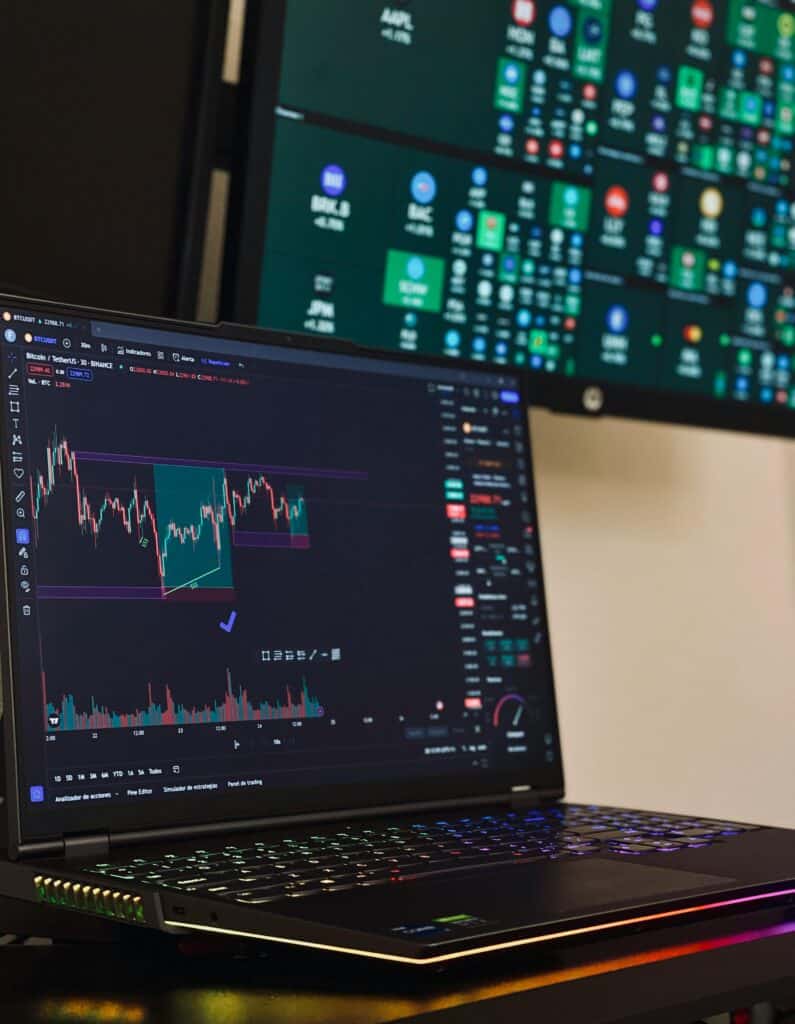


Index investing has gained immense popularity in recent years as investors seek a passive approach to the markets. A key aspect of index investing is the use of screens, which help investors filter and select securities based on specific criteria. By employing screens, investors can align their investment strategies with their preferences and objectives. In this article, we will explore the benefits and considerations of using screens in index investing.
Understanding Screens in Index Investing
In index investing, screens are predefined rules or criteria that determine which securities are included or excluded from an index. These screens are designed to reflect specific investment themes, strategies, or values. Here are some key points to consider when using screens in index investing:
- Customization: Screens allow investors to customize their portfolios based on their preferences. Whether it’s focusing on specific sectors, industries, or sustainability factors, screens empower investors to create a portfolio that aligns with their values and investment objectives.
- Targeted Exposure: Screens help investors target specific market segments or investment themes. For example, an investor might use a screen to select companies with a history of consistent dividend payments or strong earnings growth. By focusing on these criteria, investors can gain exposure to specific factors they believe will drive long-term performance.
- Risk Management: Screens can be effective tools for managing risk. By applying screens based on financial metrics or stability indicators, investors can potentially avoid companies with excessive debt, weak financials, or other risk factors. This risk-focused approach can enhance portfolio stability and protect against downside risks.
- Transparency: Screens offer transparency by providing clear rules for portfolio composition. Investors can readily understand the criteria used to include or exclude securities from an index. This transparency helps build trust and confidence in the investment process, enabling investors to make informed decisions.
Considerations when Using Screens
While screens offer various benefits, it’s important to consider a few key points:
- Data Reliability: The effectiveness of screens relies on accurate and reliable data. It is crucial to use reputable data sources and ensure that the screening criteria are based on meaningful and up-to-date information.
- Trade-Offs: Employing screens may result in trade-offs. By applying specific criteria, investors may exclude some companies that could potentially perform well in the future. It’s essential to strike a balance between customization and diversification to avoid excessive concentration in a narrow subset of securities.
- Monitoring and Rebalancing: Investors should regularly monitor the performance and composition of their screened portfolios. As market conditions and investor preferences change, it may be necessary to adjust the screening criteria or rebalance the portfolio to maintain alignment with investment goals.
Conclusion
Using screens in index investing empowers investors to align their portfolios with specific themes, values, or risk management strategies. Screens provide customization, targeted exposure, risk management, and transparency. However, it is crucial to consider data reliability, trade-offs, and the need for ongoing monitoring and rebalancing.
As with any investment strategy, it’s essential to conduct thorough research, understand the screening criteria, and ensure they align with your investment goals and risk tolerance. Combining the benefits of screens with a disciplined and informed approach can help investors build diversified portfolios that reflect their unique investment preferences and objectives.