


By Indexopedia Research Team | September 19, 2024 | In
Beware the Hype!!!
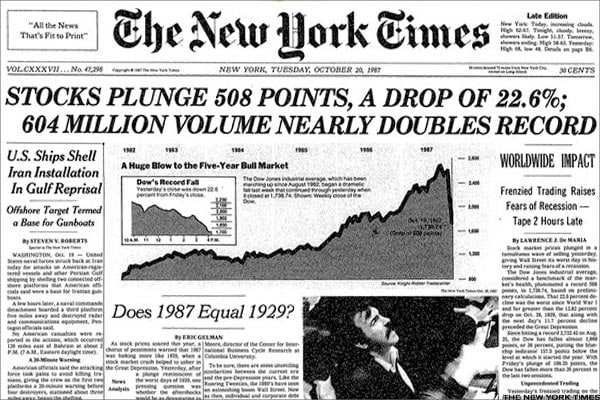
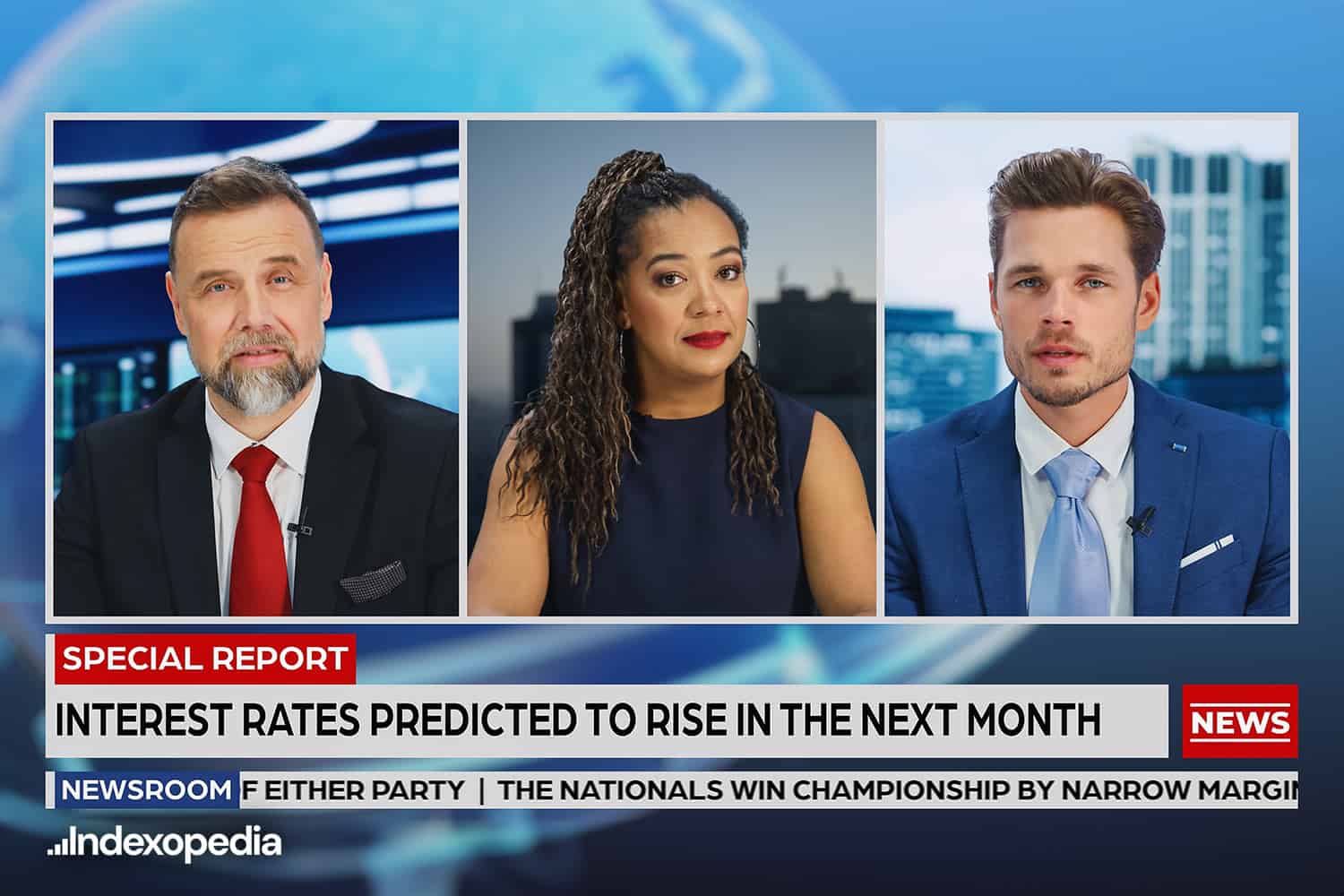
When the stock market hits record highs or experiences sharp declines, the media often amplifies these events, creating a frenzy that can sway even the most seasoned investors. Headlines scream about “historic highs” or “market crashes,” and the news cycle fixates on dramatic predictions. While these stories can be compelling, they often lack the context necessary for sound decision-making. For affluent investors, who typically have substantial portfolios at stake, understanding the media’s role in exaggerating market extremes is crucial to maintaining a steady, long-term investment strategy.
The Media’s Agenda: Eyeballs Over Insight
News outlets are in the business of attracting attention. Whether it’s a bull market or a bear market, sensational headlines drive clicks, views, and ad revenue. However, these headlines often simplify complex economic situations, leading to skewed perceptions among investors. While it’s natural to want to stay informed, reacting impulsively to these stories can lead to costly mistakes.
Examples of Media-Driven Market Hysteria

- The Dot-Com Bubble (1999-2000): The late 1990s were marked by a media-fueled euphoria over technology stocks. Headlines like “The Internet Gold Rush” and “Get Rich Quick” dominated the news. Investors were bombarded with stories of overnight millionaires, leading many to pour money into unprofitable dot-com companies. When the bubble burst in 2000, the Nasdaq plunged nearly 80% from its peak, wiping out trillions in market value. Many investors who bought into the hype lost significant portions of their wealth, proving that chasing media-driven trends can be disastrous.
Exhibit 1 (source: Factset)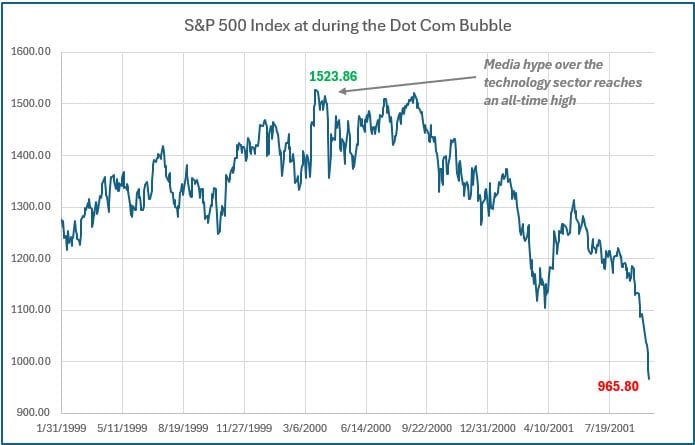
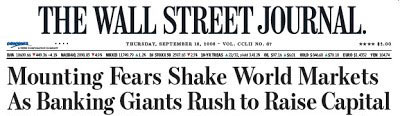
- The Financial Crisis (2008-2009): During the 2008 financial crisis, media outlets relentlessly covered the collapse of major financial institutions like Lehman Brothers, with headlines predicting the end of capitalism. Terms like “Great Depression 2.0” were thrown around, causing widespread panic. While the crisis was severe, the media’s sensationalism led many investors to panic-sell at market lows, locking in substantial losses. Those who stayed the course or even bought during the downturn eventually saw significant gains as the market recovered.
- Brexit (2016): In the lead-up to the Brexit vote, media outlets speculated endlessly about the catastrophic effects of a “Leave” vote on global markets. Predictions of a market meltdown were rampant, and on the day after the vote, the FTSE 100 dropped over 8%. However, within weeks, the market had largely recovered, and by the end of the year, it was up nearly 14%. Investors who sold out of fear based on media projections missed out on these gains.
Exhibit 2 (source: BBC, Bloomberg)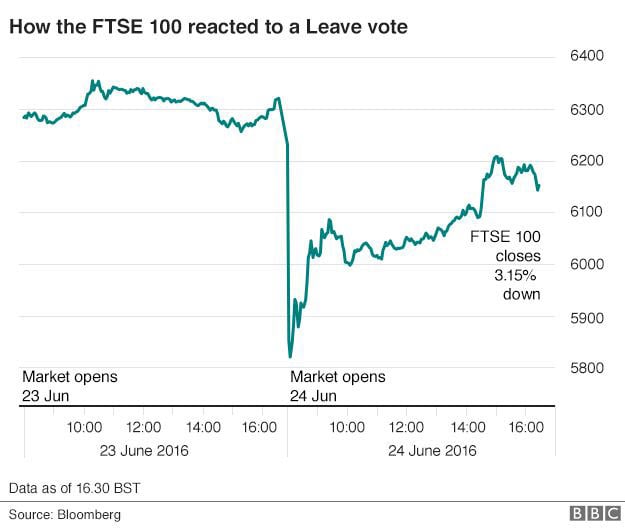
- The “FAANG” Hype (2017-2018): Media obsession with the so-called “FAANG” stocks (Facebook, Amazon, Apple, Netflix, and Google) led to a surge in their valuations, with stories proclaiming them as can’t-miss investments. While these companies have delivered strong returns, the media’s relentless focus led some investors to concentrate too heavily in these stocks, ignoring diversification principles. When the tech sector saw volatility in late 2018, those overly concentrated portfolios took significant hits, illustrating the risks of chasing media favorites.
- The COVID-19 Pandemic (2020): As COVID-19 spread globally, media outlets oscillated between doom-and-gloom economic forecasts and euphoric coverage of tech stocks and the “work-from-home” economy. In March 2020, headlines proclaimed the fastest bear market in history, driving widespread fear. However, by the end of the year, the market had not only recovered but reached new highs, with some sectors like technology booming. Those who stayed invested, or strategically rebalanced, generally benefitted, while those who succumbed to media-driven panic may have missed out.
Exhibit 3 (source: Factset)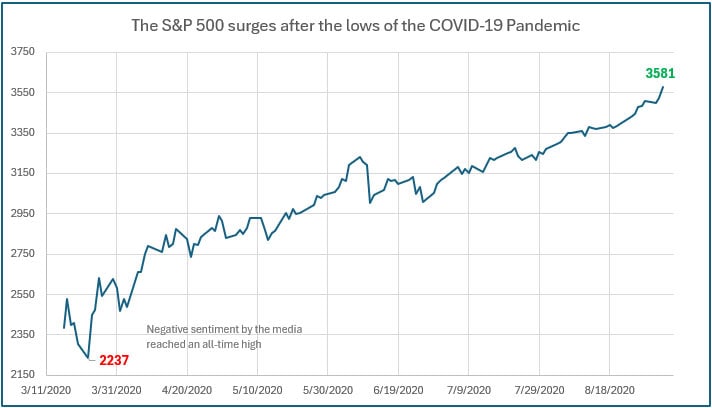
Lessons for Affluent Investors
While it’s important to stay informed, savvy investors must recognize the media’s tendency to exaggerate market extremes. Here are key strategies to protect your portfolio from media-induced volatility:
- Focus on Fundamentals: Successful investing requires a focus on the long-term fundamentals of the economy and quality factors of individual companies, not short-term headlines.
- Diversification is Key: No matter how compelling the story, avoid concentrating too heavily in any one asset or sector. Diversification across asset classes, sectors, and geographies helps mitigate risk.
- Stick to Your Plan: Establish an investment strategy aligned with your specific financial goals and risk tolerance, and resist the urge to make knee-jerk reactions to sensational news.
- Consult Your Advisor: Before making significant changes to your portfolio, discuss your concerns with a trusted financial professional who can provide perspective and guidance.
- Turn Down the Noise: Consider limiting exposure to daily market news, especially during periods of heightened volatility. Sometimes, less information can lead to better decision-making.
Conclusion
The media’s role in financial markets is double-edged: it can provide valuable information but also drive emotional reactions that can harm investors. By understanding this dynamic and maintaining a disciplined approach, affluent investors can navigate market cycles with confidence, armed with tools to help them avoid the pitfalls of media-driven hysteria.
Related Articles

Trifecta: Three Negative Influences on Investor Behavior
Behavior,
Investment Principles,
January 30, 2025
Historical examples of hot sectors that didn’t end well
History of Markets,
Investment Principles,
Knowledge & Insights,
Markets,
Top Investor Mistakes,
July 11, 2024
Waiting for Recovery Instead of Chasing Returns
Investment Principles,
January 8, 2025