


By Indexopedia Research Team | June 25, 2024 | In
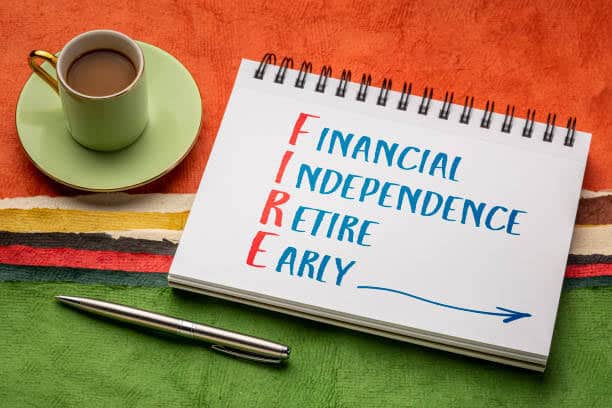
One of the most important financial decisions people consider is when they should retire. Most workers adhere to a traditional work timeline, deciding to leave the workforce in their mid-sixties or later. However, there are some who employ strict financial practices with the goal of retiring far sooner. These people achieve early retirement by adopting the principles of the F.I.R.E. movement, which is an acronym that stands for Financial Independence Retire Early. The principles of FIRE center around extreme frugality, savings, and investments.
How Does FIRE Work?

The primary way of achieving early retirement through FIRE is to reduce expenses and increase savings/investments. Oftentimes, to have the assets needed for early retirement, individuals must find ways to increase their main source of income or diversify their income streams. People adhering to the principles of FIRE invest as much as possible in a range of investments that help them reach their early retirement goals.
One thing to consider regarding FIRE is that it often requires a drastic reduction in expenses needed to create more disposable income available for investing. FIRE participants save as much as 70% of their income, which isn’t feasible for everyone.
Strategies For Achieving FIRE
One of the most important aspects of FIRE is being clear about when you want to retire. Once you have a tentative retirement age, the next step is to figure out how much you need to retire by that age. To determine this, you should consider all factors, including your current financial situation, risk tolerance, and time horizon. You should also consider accumulation and distribution practices such as the 4% rule or rule of 25 as a reference to assist in your journey.
The 4% Rule
The 4% rule is an industry suggestion that retirees should not take annual retirement distributions exceeding 4% of their accumulated assets. The goal of the 4% rule is to have enough money to sustain individuals throughout retirement. While 4% is the “glass ceiling” when it comes to annual distributions for retirees, going lower than 4% is ideal. This allows for more of your investment opportunity to grow in the account, potentially extending the lifetime of your retirement portfolio.
The Rule of 25
The rule of 25 is that you should have 25 times the annual amount you plan to spend in retirement accumulated before actually leaving the workforce. If the number you arrive at after calculating 25 times your anticipated annual expenses is intimidating, you may consider exploring ways to either increase your income or decrease your expenses. Also, keep in mind that compound interest may play a major factor in reaching your target goal. If you begin saving early enough, your money will have time to compound or investment gains to be realized.
Types of FIRE
There isn’t a single way to achieve FIRE. There are multiple avenues in which you can employ FIRE principles to reach your lifestyle goals. Here is an explanation of the most common types of FIRE.

Lean
People who subscribe to lean FIRE are fine with having enough money to cover basic needs during retirement. They often plan to live a minimalist lifestyle during retirement and may begin living a frugal lifestyle during their working years to accumulate enough. Lean fire can be restrictive and often requires strict financial discipline.
Cash Flow Independence
Multiple streams of income are the goal for this FIRE type. The more streams of income created, the better.
Fat
Some people don’t subscribe to the idea of drastically altering their lifestyle to retire early. These people would likely gravitate towards fat FIRE since the premise is to accumulate more than the average worker to maintain their lifestyle during retirement. Fat FIRE often works best for high-income earners who have enough disposable income to shift towards investing. It’s also ideal for people who want to stop working completely during retirement.
Barista
This is a hybrid of fat and lean FIRE. People following a Barista approach still work part-time jobs to help fund healthcare needs and provide supplemental income. Barista may be ideal for people who enjoy their career or want to focus on work that is fulfilling without the demands of bills and daily expenses. That said, barista disciples usually accumulate enough to cover living expenses so that full-time work is optional.
Coast
Think of this FIRE approach as front-loading your retirement accounts and then ‘coasting’ for the remainder of your working years. The goal is to accumulate as much as you can, as fast as you can, and then let compound interest and/or investment gains do the rest of the work. Once you reach your target amount, you continue working, but only to pay expenses until reaching your retirement age.
Early retirement requires careful planning and time to work. In some cases, it can require sacrifice to ensure you stay on track and can retire at your desired age. If you need help planning for early retirement, speak to one of our financial experts today.
Related Articles

How Can I Develop Good Investment Behavior?
Personal Finance,
Top Personal Finance FAQs,
February 11, 2025

Trifecta: Three Negative Influences on Investor Behavior
Behavior,
Investment Principles,
January 30, 2025

How to Start Saving for Retirement
Financial Planning,
Investment Principles,
Personal Finance,
Top Investment Principles FAQs,
May 14, 2024