



Fiscal and monetary policy are two crucial levers used by governments and central banks to influence economic conditions, achieve growth, stabilize inflation, and address socio-economic challenges. While fiscal policy focuses on adjusting taxation and government spending, monetary policy deals with managing the money supply and interest rates. Both policies aim to steer the economy toward specific goals, and their combined effects can be powerful when deployed in unison.
Fiscal Policy: Economic Growth through Spending and Taxation
1. Economic Stimulus through Government Spending
Fiscal policy is often used to counteract recessions or periods of sluggish economic growth. One of its most direct tools is government spending. By increasing public expenditure on infrastructure, education, healthcare, and social welfare programs, governments can stimulate economic activity. For example, during the global financial crisis of 2008, governments worldwide launched stimulus packages aimed at revitalizing the economy. These measures not only created jobs but also spurred demand for goods and services, fostering economic growth.
2. Taxation Policies and Consumer Spending
Adjustments in taxation form another pillar of fiscal policy. Governments can either impose higher taxes to cool down an overheating economy or reduce taxes to leave more money in consumers’ hands. Tax cuts typically increase disposable income, which, in turn, boosts consumer spending. A notable example is the tax cut package implemented by the U.S. government in the early 2000s, which was intended to stimulate the economy post-recession.
On the flip side, an increase in taxes can slow down consumer spending, which governments may use as a tool to control inflation during periods of excessive growth.
3. Budget Deficits and Public Debt
Expansionary fiscal policy, often characterized by deficit spending, can stimulate growth but also lead to budget deficits and increased public debt. This was evident in the years following the 2008 financial crisis when many countries ran high deficits to counteract economic contraction. While deficit spending can provide a short-term economic boost, it comes at the cost of growing public debt, which can constrain future fiscal flexibility.
4. Investment Incentives and Business Expansion
Fiscal policy can also incentivize businesses to invest and expand by offering tax credits, grants, or subsidies. For example, many governments have offered incentives for investments in renewable energy, fostering innovation and creating jobs in emerging industries. These incentives not only spur economic activity but also align business growth with broader national priorities like environmental sustainability.
5. Income Redistribution and Social Welfare
Fiscal policy can also address income inequality through progressive taxation systems and social welfare programs. Governments collect more taxes from high-income individuals and businesses and allocate these funds toward programs that support low-income citizens. This type of redistribution can reduce poverty and create a more equitable society, which contributes to long-term economic stability.
Monetary Policy: Managing the Money Supply and Interest Rates
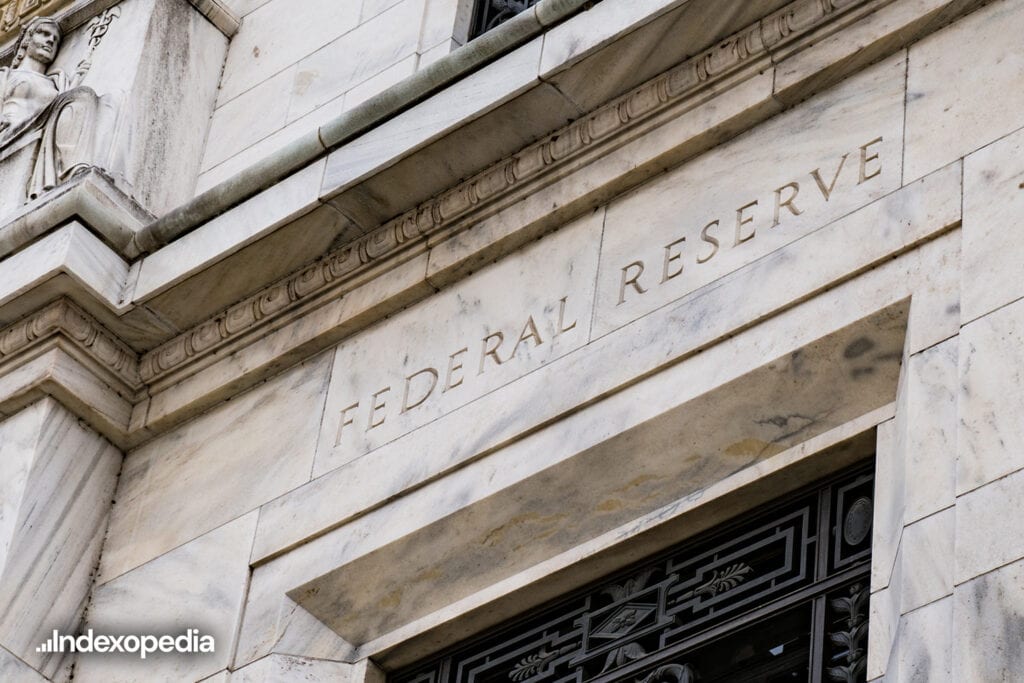
While fiscal policy focuses on government spending and taxation, monetary policy, implemented by central banks – such as the US Federal Reserve (the Fed), focuses on controlling inflation, stabilizing the currency, and managing interest rates.
1. Controlling Inflation
One of the primary goals of monetary policy is to control inflation. By raising or lowering interest rates, central banks can either restrict or encourage borrowing and spending. For example, during the late 1970s and early 1980s, the Federal Reserve dramatically raised interest rates to combat runaway inflation in the U.S. Though this led to a recession, it ultimately succeeded in curbing inflation and stabilizing the economy.
2. Interest Rates and Investment
Lower interest rates make borrowing more affordable, encouraging both individuals and businesses to take out loans for purchases or investments. This was evident following the 2008 financial crisis when central banks worldwide slashed interest rates to near-zero levels, spurring investment and growth in various sectors. However, when interest rates rise, as seen in recent Federal Reserve policy shifts aimed at curbing inflation post-pandemic, borrowing becomes more expensive, potentially slowing investment and economic expansion.
3. Exchange Rates and Trade
Monetary policy also has a significant impact on exchange rates, which in turn influence international trade. Lower interest rates often lead to a weaker currency, making a country’s exports more competitive globally. Conversely, higher interest rates strengthen the currency, potentially curbing exports but attracting foreign investment. A notable example is Japan, which has used low interest rates for years to keep the yen weak and promote its export-driven economy.
4. Consumer and Business Confidence
Monetary policy signals, such as interest rate adjustments, greatly impact consumer and business confidence. When central banks maintain stable inflation and reasonable interest rates, confidence tends to rise. Businesses are more likely to invest in expansion, and consumers are more inclined to spend, contributing to economic growth. On the other hand, unpredictable or abrupt changes in monetary policy, such as sudden rate hikes, can generate uncertainty, leading to reduced investment and spending.
5. Financial Markets and Asset Prices
Monetary policy can significantly influence asset prices. Low interest rates often encourage investments in real estate and stock markets, as seen in the bull market following the 2008 financial crisis. However, when interest rates rise, the cost of borrowing increases, reducing demand for assets and potentially leading to market corrections. The relationship between monetary policy and financial markets underscores how sensitive investment portfolios can be to central bank actions.
The Combined Impact of Fiscal and Monetary Policy
 The true power of fiscal and monetary policy is realized when they are used in combination. For example, during the COVID-19 pandemic, governments implemented expansionary fiscal policies (stimulus checks, increased unemployment benefits, infrastructure spending) while central banks slashed interest rates and implemented quantitative easing. The coordinated efforts of these policies helped stave off a deeper recession and fostered a rapid recovery in financial markets and economic activity.
However, the balance between fiscal and monetary policy must be carefully managed. For instance, overly aggressive fiscal stimulus combined with prolonged low interest rates can lead to overheating economies and inflationary pressures, as seen in various historical periods. On the other hand, overly tight monetary policy combined with fiscal austerity can stifle growth and prolong recessions.
Conclusion
For investors, understanding the interaction between fiscal and monetary policy is crucial to navigating market shifts and economic cycles. Fiscal policies related to taxation, government spending, and public debt directly affect industries, consumer behavior, and investment opportunities. Meanwhile, monetary policy decisions concerning inflation control, interest rates, and currency value have profound implications for both domestic and international markets.
Successful investment strategies often account for both policy types, leveraging periods of fiscal stimulus and accommodative monetary policy to capitalize on growth opportunities. At the same time, being mindful of risks, such as inflationary pressures or rising interest rates, helps investors protect their portfolios during periods of economic tightening.
Understanding the implications of these policies allows investors to potentially anticipate market shifts, assess potential risks, and seize opportunities aligned with broader economic conditions.
Related Articles

What is Inflation?
Economic Indicators,
Economics,
Top Economics FAQs,
November 3, 2023
What are the drivers of Federal Reserve (Fed) Policy?
Economics,
Monetary & Fiscal Policy,
Top Economics FAQs,
September 5, 2024

What is the Yield Curve and what can it tell us about future economic growth, expected inflation, and the potential for a recession?
Economic Indicators,
Economics,
January 15, 2025