



Helping children understand the basics of saving and investing is one of the most valuable lessons a parent can give. The goal isn’t to turn them into financial experts–it’s to build confidence and curiosity about how money grows and works. Here’s a simple guide on how to make concepts like stocks and bonds simple, engaging, and relatable for young minds.
Understanding Stocks
Start by explaining that stocks represent a small piece of a company. When a company wants to grow, it might sell stock to raise money. People can buy these stocks, making them partial owners of the company. If your child has a favorite brand or company they recognize, pretend to buy shares of it together! Track the stock’s price, showing them how its value can go up or down. As they follow the stock’s progress, they may naturally become more curious about what’s happening with that company.
What are Bonds?
Once they grasp stocks, explain that bonds work differently–they’re more about stability than growth. A bond is essentially a loan to a company or government that pays interest over time. You loan them a lump sum, the company pays interest at certain times, and at maturity, you get your lump sum back. It helps balance a portfolio when stocks are volatile. Unlike stocks, bonds don’t typically have the same highs and lows, making them less risky. You could explain this difference by using the saying, “Don’t put all your eggs in one basket.” Bonds provide balance, helping protect a portion of your portfolio’s value if stocks don’t do well.
Explaining Interest and Stock Price Fluctuations
Use simple numbers to explain interest. For example, if they save $100 in a savings account with 1% interest, they’ll earn an extra $1 per year. Stocks can grow faster, but they can also fall. Explain that stock prices rise when a company does well and fall when it doesn’t. For example, a “bull market” is when many stocks are rising, while a “bear market” is when prices fall.
Real-Life Lesson: The GameStop Story
A few years ago, a company called GameStop became a headline story. Many people bought the stock simply because others were doing it, not because the company was strong. The price shot up, then fell sharply–causing many to lose money and reminding everyone that popularity isn’t the same as value. It’s a simple lesson: invest in what’s real, not what’s trending.
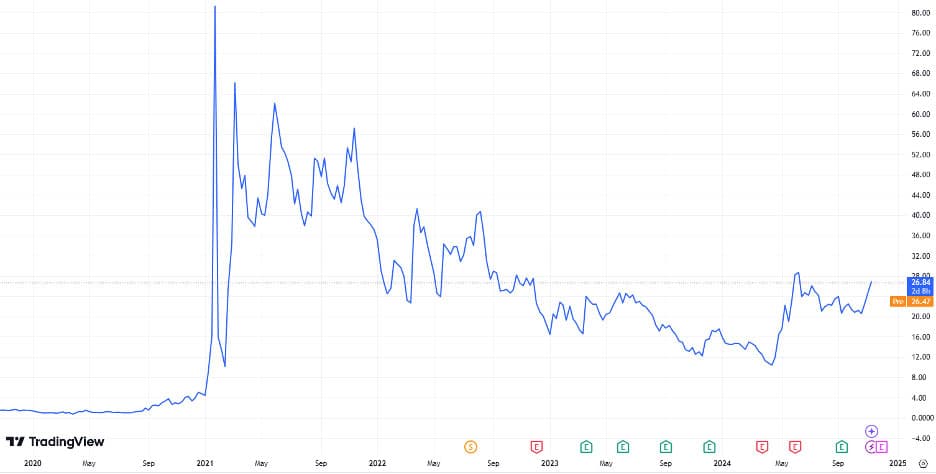
Once they understand that not all investments move the same way, you can talk about risk and reward. Stocks can bring higher returns, but also bigger swings. Bonds may grow more slowly, but they help smooth the ride. Together, they show how balance builds resilience.
Lesson in Risk and Reward:
Introduce the idea of risk and reward by explaining that while stocks offer the chance to make more money, there’s also a chance of loss if the company doesn’t perform well. Show them how stocks can increase in value when the company grows but may lose value if the company faces challenges. Over time, they’ll begin to see how some investments work out, and others might not, teaching them about the ups and downs of investing.
Fun Activity: The Risk-and-Reward Game
For a memorable lesson on risk and reward, try a simple game. Give them five pieces of candy and say that if they roll a certain number on a die, they’ll get more candy. But if they roll a different number, they’ll lose all their candy. Adjust the odds and talk about why they might or might not want to roll again, teaching them about the balance between taking a risk and holding onto what they have.
Teaching kids about stocks, bonds, and the stock market in general helps build a strong foundation for financial responsibility. With engaging activities and real-life examples, you can make financial literacy both fun and meaningful.
Related Articles

Tax Efficiency: Incorporating Qualified Opportunity Zones and 1031 Exchanges into an Affluent Investor’s Portfolio
Personal Finance,
March 18, 2025

Assumable Loans
Financial Planning,
Personal Finance,
November 2, 2023

What Does Your Portfolio and an Onion Have in Common?
Financial Planning,
Personal Finance,
October 1, 2024