



By Stephen L. Thomas | August 12, 2024 | In
There are many moving parts when it comes to building and maintaining an investment portfolio. One of the most important aspects is choosing the right securities to invest in. A second runner up is ensuring the portfolio is rebalanced as frequently as needed. These two actions are important because they help increase the chances of an investor reaching their financial goals, be it saving enough to buy an investment property or retiring with enough money.
A portfolio can be rebalanced by investors or by finance professionals such as portfolio managers. Robo-advisors usually come with a portfolio rebalancing feature, so it’s not something investors have to worry about if they use that option.
What Does it Mean to Rebalance a Portfolio?
When a person puts together an investment portfolio, they typically have one or more financial goals in mind. A process called asset allocation then happens, which is where money in a portfolio is used to buy securities in various asset classes to help reach those predetermined goals. The assets chosen for the portfolio should also align with the investor’s risk tolerance. Another way to put it is that a portfolio’s asset allocation should help manage risk while achieving optimal returns.
While it would be convenient to ‘set and forget’ investments within a portfolio after the asset allocation step, it often needs rebalancing. This is because over time, a portfolio may carry more risk than an investor is comfortable with or get thrown off track because of market volatility.
How Do You Rebalance a Portfolio?
Rebalancing a portfolio primarily consists of selling some securities within a portfolio and buying new ones to maintain the desired target asset allocation. The first step is to identify any asset classes that are no longer aligned with the initial allocation set out. The next step is to sell and purchase securities to create equilibrium within the portfolio.
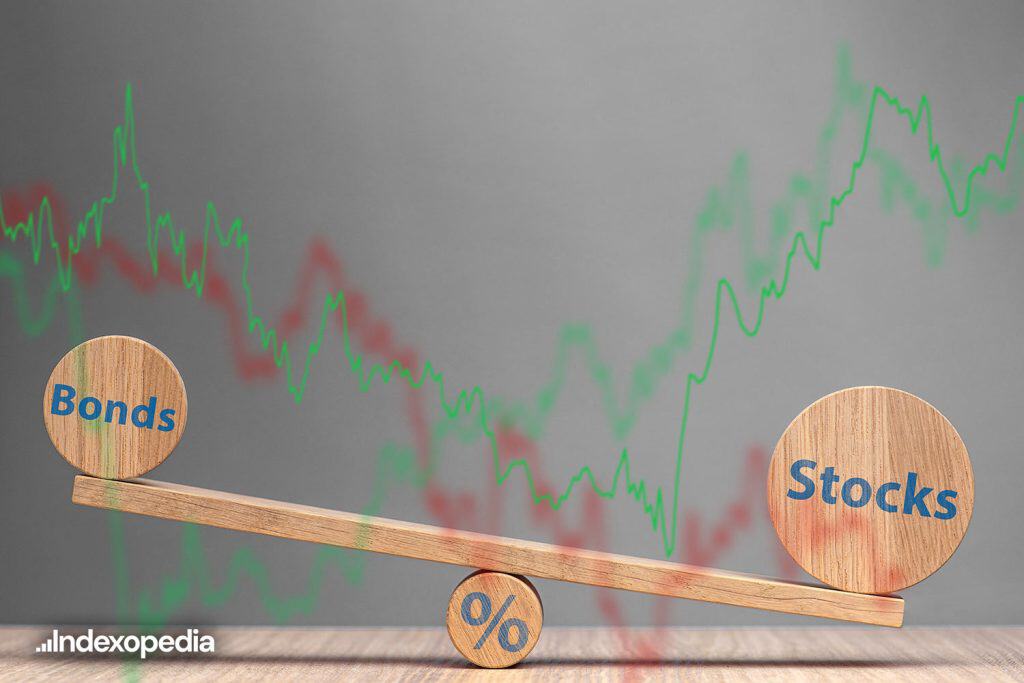
For example, let’s say an investor creates an investment portfolio with a 30-year- time horizon that comprises 70% stocks and 30% bonds to match their goals and risk tolerance. Over time, due to market swings, the bonds in their portfolio lose value while their stocks gain traction. As a result, they end up with 80% stocks and 20% bonds.
Bringing the portfolio back to the desired 70% stock 30% bond split would require buying and selling some winners and losers. That could look like selling 10% of your portfolio’s stock value and using the cash to buy enough bonds to rebalance your portfolio. By keeping an eye on your portfolio and rebalancing it often, you can help keep the portfolio on track and mitigate risk.
How Often Should You Rebalance a Portfolio?
 In terms of frequency, a portfolio can be rebalanced once a quarter, every six months or once a year. It typically hinges on their financial goals and time horizon. Another approach to rebalancing a portfolio is factoring one’s risk tolerance. For instance, if the asset allocation in a portfolio skews too far from an investor’s level of comfortability, they may opt to rebalance it to manage risk. For instance, if they’re only comfortable with alternative investments like crypto being 10% of their portfolio due to the risk, when that asset allocation rises above 10%, they may consider rebalancing.
Tax Implications of Rebalancing a Portfolio
Rebalancing a portfolio outside of tax-advantaged accounts can have tax implications. To avoid unexpected or robust tax bills, consider using strategies like tax-loss harvesting-when you sell less profitable investments to offset any capital gains taxes incurred on the sale of assets that appreciate in value. Another strategy to consider is using cash dividends or bond interest to rebalance the portfolio.
Whether an investor chooses to rebalance their own portfolio, hire a professional, or use a robo-advisor it is an essential action to take periodically. It could be the difference between a profitable portfolio that achieves what it sets out to do or one that falls short.
Related Articles

The Power of Diversification: How Different Asset Classes Complement Each Other in a Balanced Portfolio
Behavior,
Index Sectors,
Investment Principles,
Markets,
Portfolio Considerations,
September 17, 2024

Risk of Overconcentration
Index Investing,
Investment Principles,
Top Investor Mistakes,
July 11, 2024
How Often Should I Change My Asset Allocation?
Personal Finance,
Top Personal Finance FAQs,
January 8, 2025