

Results Come from Portfolio Construction—and Investor Behavior
When it comes to building lasting wealth, investors often focus on finding the perfect portfolio. But even the best-built portfolio can’t overcome poor investor behavior. In our experience, investor success takes two things working together: an efficient portfolio and disciplined investor behavior. One without the other generally won’t deliver the results most investors hope for.
The Two Sides of Success
An efficient portfolio is designed to do its job over time: it captures upside, protects on the downside, and recovers efficiently to restore compounding. But for compounding to work, investors must give it time to do its work.
That’s where behavior enters the picture. Even the most efficient portfolio can’t outperform if an investor sells out of fear in a correction or chases the latest “hot” theme, like artificial intelligence or cryptocurrency, just because it dominated headlines last quarter.
In 2021, growth stocks, particularly tech names tied to AI, seemed unstoppable. Many investors abandoned balanced portfolios to pile in. However, by mid-2022, that same group saw double-digit losses, and many sold near the lows—locking in damage that an efficient portfolio would have avoided.
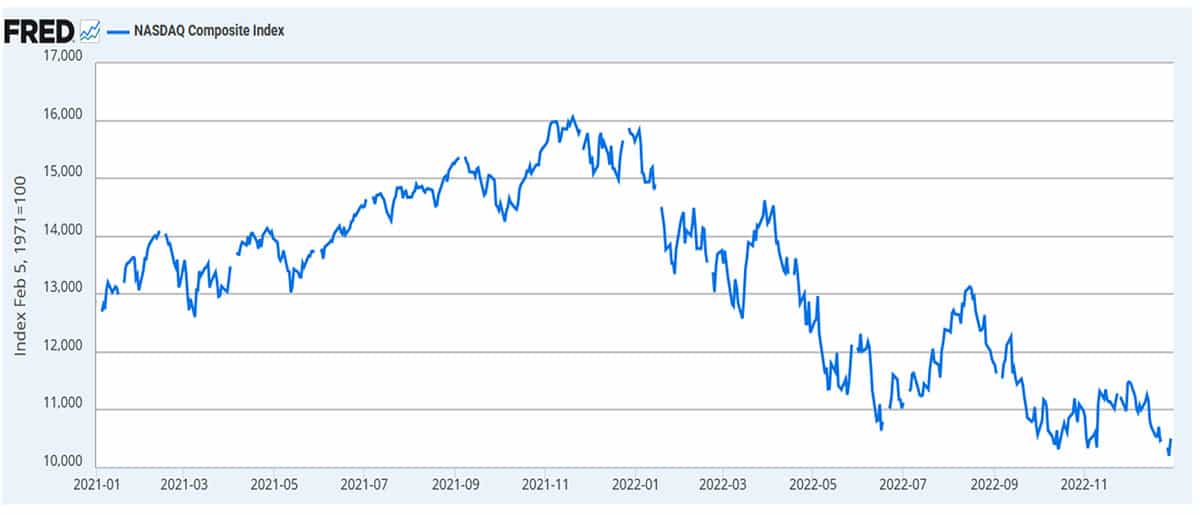
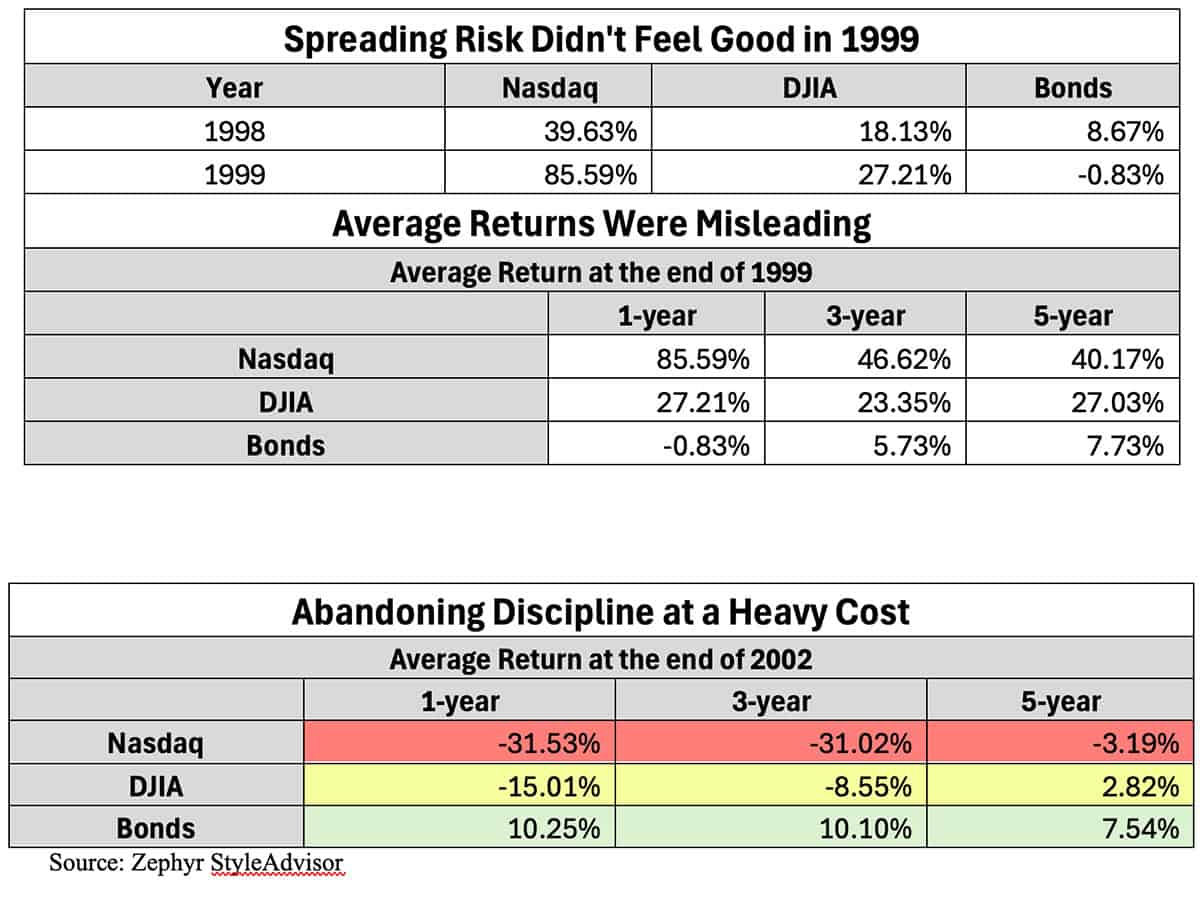
The same pattern has repeated throughout history: dot-com stocks in the late ’90s (below), housing in the mid-2000s, energy in 2007, and meme stocks in 2021. The theme changes, but the behavior stays the same—chasing what’s already happened, instead of staying disciplined for what’s to come.
Our Role: Build Efficiency
Efficiency is the foundation of compounding. Every element of the construction process—earnings quality screens, direct ownership of holdings, and avoidance of pooled mutual funds or ETFs—should be designed to enhance transparency and long-term value.
An efficient portfolio should:
- Capture strong upside in quality companies.
- Limit downside capture during declines.
- Enhance recovery after downturns as investors seek safety in high quality companies.
That third point—down-market recovery—is often the most important. Compounding doesn’t work if your dollars aren’t in the game. When investors make mistakes trying to time the market, recovery is delayed, and long-term wealth suffers.
Consider two investors:
- Investor A owns a disciplined 70/30 portfolio but sells during a 20% correction, waiting to “feel better.”
- Investor B owns the same portfolio but stays invested.
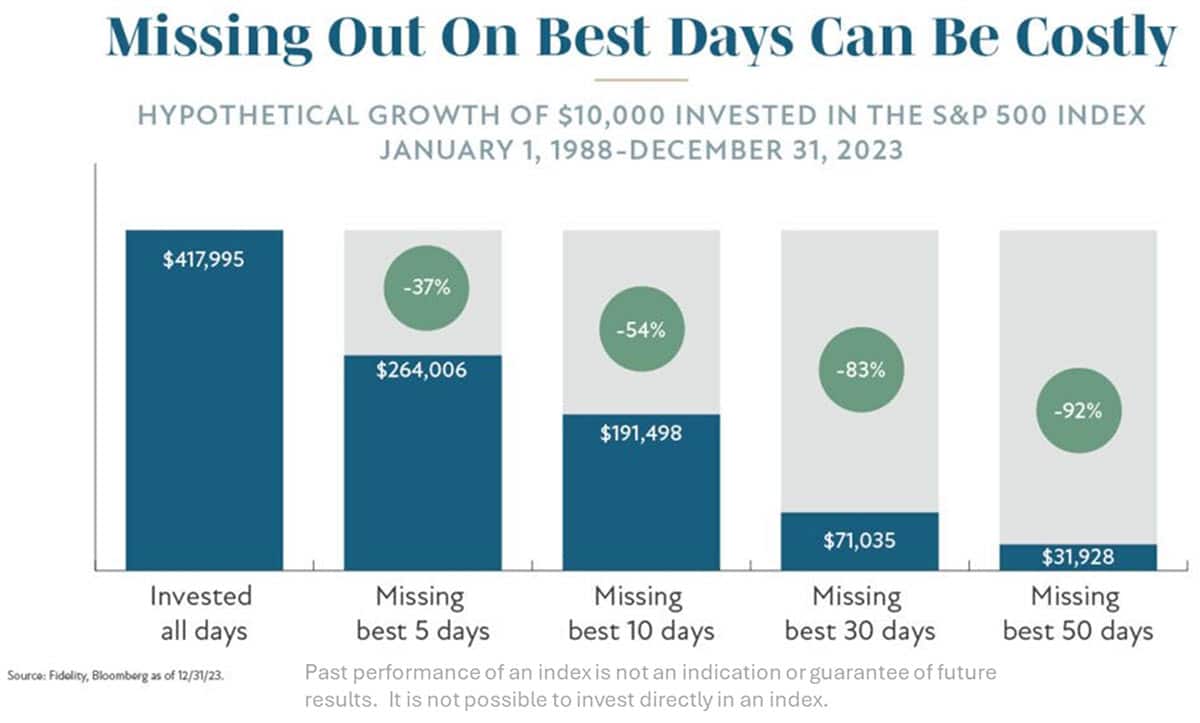
History shows that Investor B typically recovers in 12-18 months. Investor A, however, may sit in cash another year or more, missing the strongest rebound days that often happen early in recoveries. Missing just the 10 best days in the market over 20 years can cut total returns by nearly half.
The Investor’s Role: Stay Disciplined
Every investor begins with good intentions—long-term goals, clear risk tolerance, a commitment to discipline. But markets have a way of testing those convictions. When things are going well, investors want to add more risk; when things get rough, they want to pull back. Both impulses can erode long-term results.
The irony is that the most investors contribute more to their own underperformance through bad behaviors than poorly built portfolios do. According to Morningstar, the average investor earns far less than the funds they invest in, simply because they move money in and out at the wrong times.
Discipline means:
- Avoiding the chase. When a sector doubles in a year, the time to buy has usually passed.
- Ignoring noise. The market moves faster than headlines. If you’re following the media narrative, you already too late.
- Rebalancing, not reacting. Periodic rebalancing naturally buys low and sells high—without emotion.
- Remembering the purpose. The portfolio is built to meet your income, growth, and risk needs—not chase down the hot dot.
In short, good investor behavior doesn’t mean doing nothing—it means doing the right things consistently.
The Power of Partnership
Great results come from partnership. We build the foundation—efficient, earnings-focused indexes and private bond portfolios designed to deliver better downside capture, faster recovery, and smoother compounding. But our clients provide the second ingredient: the patience and discipline to stay the course through all market conditions.
That partnership is powerful. When efficiency meets discipline, markets can do what they’ve always done—reward those who endure.
A well-constructed, efficient portfolio can’t eliminate all volatility, but it can give investors the confidence to weather it. When investors stay invested through cycles, the results compound. As we often tell clients: You don’t need the market to go up every year—you just need to stay in it long enough to let efficiency do its job.
A Simple Truth
Long-term success doesn’t happen by accident. It’s the result of two forces working together: an efficient portfolio and a disciplined investor. One provides the structure. The other provides the staying power.
If you have one without the other, results falter. But when both align—when portfolio design and investor behavior move in the same direction—the compounding effect becomes powerful.
You can build the best engine, but you have to keep it running. The markets will always move through cycles of excitement and fear, but efficiency and discipline are what carry investors through them.
It takes two—but together, they can turn good portfolios into promising results.